<?xml version="1.0" encoding="utf-8"?>
<feed xmlns="http://www.w3.org/2005/Atom">
  <generator uri="https://jekyllrb.com/" version="4.3.3">Jekyll</generator>
  <link href="https://www.binwang.me/books.xml" rel="self" type="application/atom+xml" />
  <link href="https://www.binwang.me/read.html" rel="alternate" type="text/html" />
  <updated>2026-05-23T18:37:16-04:00</updated>
  <id>https://www.binwang.me/books.xml</id>
  <title type="html">Bin Wang - My Personal Blog — Books</title>
  <subtitle>Books I've read, with notes</subtitle>
  
  
  <entry>
    <title type="html">The Stranger</title>
    <link href="https://www.binwang.me/books/the-stranger" rel="alternate" type="text/html" title="The Stranger" />
    <published>2026-04-19T00:00:00-04:00</published>
    <updated>2026-04-19T00:00:00-04:00</updated>
    <id>https://www.binwang.me/books/the-stranger</id>
    <content type="html" xml:base="https://www.binwang.me/books/the-stranger">
      <![CDATA[
        <p>By Albert Camus, Matthew Ward, published in 1942</p>
        <p><img src="https://www.binwang.me/static/book-covers/the-stranger.jpg" alt="The Stranger" /></p>
        
        
        <p>On one hand, this is a book that is easy to read: short, clear narrative, and dramatic. On the other hand, it’s hard to understand: there is always a drifting feeling when Meursault went through the significant life events. It feels like everything is very thin and unreal.</p>

<p>For Meursault, I think there are 3 layers:</p>

<ol>
  <li>The raw senses and reflexes. Like when he felt hot during the day of burying his mom. The dizzy sun which made him shoot the Arab, the curling and couldn’t stop teeth chattering.</li>
  <li>The overall higher level life experience based on layer 1. Like how the evening feels, how he enjoys to be with Marie and so on.</li>
  <li>The deep rationality that life and things don’t have an inherent meaning.</li>
</ol>

<p>Because of the reasoning of layer 3, he was able to accept senses and reflexes at layer 1: “that is nature”, treating humans like machines. And he was able to let nature and the easier path direct his life experience of layer 2, without the moral obligation from society, and say little since it doesn’t matter much. He is very honest about it, which is the cause of the tragedy. (Or not really a tragedy if the life doesn’t really matter?)</p>

<p>This attitude is based on philosophy. So it’s hard to explain to the jury why he killed the man when on the trial. He needs to explain why things don’t have a meaning, and that’s a huge philosophical topic. So he only said: it was because of the sun. The killing is at layer 2, the reasoning behind it is at layer 3, the sun, which is at layer 1, was the trigger. It’s too hard to explain the whole chain, so he only said the last element of the reasoning chain, which sounds ridiculous.</p>

<p>Meursault’s behaviour only makes sense if layer 3 is true. It sounds absurd at first. Most people assign a meaning to life, either through religion, or something like doing good for society. That’s why the jury sentenced him. But if you think about it deeply and go through all the philosophical thoughts, maybe things don’t really have a meaning. That’s why when the chaplain came to visit, he yelled “I was right” at the end.</p>

<p>Lastly, on a side note, if Meursault was in China, his behaviour about his mom’s death may be easier to be understood, since there was a great example from more than two thousand years ago. According to the text 至乐 (Perfect Enjoyment), Zhuangzi (庄子), a famous Chinese philosopher, sang and drummed (a clay pot) when his wife died (he seemed happy). The visitor asked him, “Isn’t that excessive?” Zhuangzi said: there was no life at the beginning, life came from nature and then went back to nature. If I cried, it means I didn’t understand the meaning of life. This is so similar to the end of the book: “for the first time, in that night alive with signs and stars, I opened myself to the gentle indifference of the world. Finding it so much like myself – so like a brother, really – I felt that I had been happy and that I was happy again. For everything to be consummated, for me to feel less alone …”</p>


      ]]>
    </content>
    <summary type="html">
      <![CDATA[By Albert Camus, Matthew Ward, published in 1942. My Notes: &lt;p&gt;On one hand, this is a book that is easy to read: short, clear narrative, and dramatic. On the other hand, it’s hard to understand: there is always a drifting feeling when Meursault went through the significant life events. It feels like everything is very thin and unreal.&lt;/p&gt; &lt;p&gt;For Meursault,...]]>
    </summary>
  </entry>
  
  <entry>
    <title type="html">咸的玩笑</title>
    <link href="https://www.binwang.me/books/%E5%92%B8%E7%9A%84%E7%8E%A9%E7%AC%91" rel="alternate" type="text/html" title="咸的玩笑" />
    <published>2026-04-11T00:00:00-04:00</published>
    <updated>2026-04-11T00:00:00-04:00</updated>
    <id>https://www.binwang.me/books/%E5%92%B8%E7%9A%84%E7%8E%A9%E7%AC%91</id>
    <content type="html" xml:base="https://www.binwang.me/books/%E5%92%B8%E7%9A%84%E7%8E%A9%E7%AC%91">
      <![CDATA[
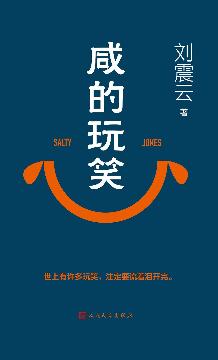
        <p>By 刘震云, published in 2025</p>
        <p><img src="https://www.binwang.me/static/book-covers/咸的玩笑.jpg" alt="咸的玩笑" /></p>
        
        
        <p>看到有个罗永浩和刘震云的谈话长视频，聊到了这本书。为了不被剧透，就先看了这本书。结果看完了之后视频也不是很想看了。</p>

<p>总的来说和《一句顶一万句》一脉相承，甚至我看的时候很多感受都和<a href="/books/%E4%B8%80%E5%8F%A5%E9%A1%B6%E4%B8%80%E4%B8%87%E5%8F%A5">当时</a> 一样。但是总体来说和《一句顶一万句》还是差的有点远，有些地方感觉并不是很能让人共鸣，虽然写的看起来是乡土，但是好像已经有点脱离真实生活了。</p>

        
      ]]>
    </content>
    <summary type="html">
      <![CDATA[By 刘震云, published in 2025. My Notes: &lt;p&gt;看到有个罗永浩和刘震云的谈话长视频，聊到了这本书。为了不被剧透，就先看了这本书。结果看完了之后视频也不是很想看了。&lt;/p&gt;

&lt;p&gt;总的来说和《一句顶一万句》一脉相承，甚至我看的时候很多感受都和&lt;a href=&quot;/books/%E4%B8%80%E5%8F%A5%E9%A1%B6%E4%B8%80%E4%B8%87%E5%8F%A5&quot;&gt;当时&lt;/a&gt; 一样。但是总体来说和《一句顶一万句》还是差的有点远，有些地方感觉并不是很能让人共鸣，虽然写的看起来是乡土，但是好像已经有点脱离真实生活了。&lt;/p&gt;]]>
    </summary>
  </entry>
  
  <entry>
    <title type="html">The Bible Unearthed: Archaeology&apos;s New Vision of Ancient Israel and the Origin of Its Sacred Texts</title>
    <link href="https://www.binwang.me/books/the-bible-unearthed-archaeologys-new-vision-of-ancient-israel-and-the-origin-of-its-sacred-texts" rel="alternate" type="text/html" title="The Bible Unearthed: Archaeology&apos;s New Vision of Ancient Israel and the Origin of Its Sacred Texts" />
    <published>2026-04-06T00:00:00-04:00</published>
    <updated>2026-04-06T00:00:00-04:00</updated>
    <id>https://www.binwang.me/books/the-bible-unearthed-archaeologys-new-vision-of-ancient-israel-and-the-origin-of-its-sacred-texts</id>
    <content type="html" xml:base="https://www.binwang.me/books/the-bible-unearthed-archaeologys-new-vision-of-ancient-israel-and-the-origin-of-its-sacred-texts">
      <![CDATA[
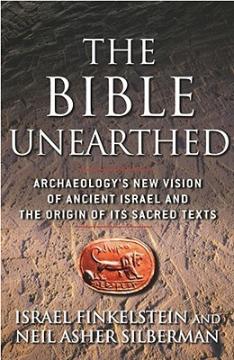
        <p>By Israel Finkelstein, Neil Asher Silberman, published in 2001</p>
        <p><img src="https://www.binwang.me/static/book-covers/the-bible-unearthed-archaeologys-new-vision-of-ancient-israel-and-the-origin-of-its-sacred-texts.jpg" alt="The Bible Unearthed: Archaeology&apos;s New Vision of Ancient Israel and the Origin of Its Sacred Texts" /></p>
        
        
        <p>This is the second book on my ancient history reading list, after the <a href="/books/a-history-of-the-ancient-near-east-ca-3000-323-bc">ancient near east one</a>. This book was not on the list at first, but when reading the book about Near East, I suddenly realized the historical events in the (Hebrew) Bible actually happened in the same time period, which never crossed my mind before. They seemed to have happened in a parallel or fictional universe to me. With this opportunity, I thought I should give it a deeper dig, especially considering it has such an important impact on the largest religions.</p>

<p>Before I picked up this book, I’ve browsed some National Geographic magazines about archaeology related to the Jesus era, and found it fascinating. But I didn’t really know the term “biblical archaeology”. This book’s introduction gives a pretty good overview of the field, including the difference between minimalists and maximalists. Its approach is more on the skeptical side, which is pretty aligned with my cultural background and personal beliefs.</p>

<p>The structure of the book is well written: it first repeats relevant parts in the Bible, and then talks about what the archaeology tells us. This is especially important to me, who has read little of the Bible.</p>

<p>So after reading the book, I not only have a high level sense of the events described in Hebrew Bible, but also know some of its historical background. It amazed me more after it, that the text created over 2500 years ago, can have such a big impact on history, and continues to have its impact nowadays.</p>

        
      ]]>
    </content>
    <summary type="html">
      <![CDATA[By Israel Finkelstein, Neil Asher Silberman, published in 2001. My Notes: &lt;p&gt;This is the second book on my ancient history reading list, after the &lt;a href=&quot;/books/a-history-of-the-ancient-near-east-ca-3000-323-bc&quot;&gt;ancient near east one&lt;/a&gt;. This book was not on the list at first, but when reading the book about Near East, I suddenly realized the historical events in the (Hebrew) Bible actually happened in the same...]]>
    </summary>
  </entry>
  
  <entry>
    <title type="html">当代中国政府与政治 (第二版)</title>
    <link href="https://www.binwang.me/books/%E5%BD%93%E4%BB%A3%E4%B8%AD%E5%9B%BD%E6%94%BF%E5%BA%9C%E4%B8%8E%E6%94%BF%E6%B2%BB-(%E7%AC%AC%E4%BA%8C%E7%89%88)" rel="alternate" type="text/html" title="当代中国政府与政治 (第二版)" />
    <published>2026-04-04T00:00:00-04:00</published>
    <updated>2026-04-04T00:00:00-04:00</updated>
    <id>https://www.binwang.me/books/%E5%BD%93%E4%BB%A3%E4%B8%AD%E5%9B%BD%E6%94%BF%E5%BA%9C%E4%B8%8E%E6%94%BF%E6%B2%BB-(%E7%AC%AC%E4%BA%8C%E7%89%88)</id>
    <content type="html" xml:base="https://www.binwang.me/books/%E5%BD%93%E4%BB%A3%E4%B8%AD%E5%9B%BD%E6%94%BF%E5%BA%9C%E4%B8%8E%E6%94%BF%E6%B2%BB-(%E7%AC%AC%E4%BA%8C%E7%89%88)">
      <![CDATA[
        <p>By 景跃进, published in 2024</p>
        <p><img src="https://www.binwang.me/static/book-covers/当代中国政府与政治-(第二版).jpg" alt="当代中国政府与政治 (第二版)" /></p>
        
        
        <p>在中国这么多年，虽然对中国政治体制的切身感受和经验不算少，但是大多都是碎片，从来没想过系统了解一下中国的政治体制。这次凑回家过年的时候，读了几本中国政治相关的书，这本书也是其中之一。</p>

<p>一开始读的是第一版，读完之后才发现。读之前我就知道有第二版，而且还以为自己读的就是第二版，还在奇怪为什么大多数事情都只谈到习刚上台的时候。读完之后又仔细看了一下书籍信息才发现是第一版。后来又补了一下第二版增加和改动比较大的章节：纪检系统、组织系统和军事系统。虽是偶然造成这种结果，但是回过头来看，这也许反而是读这本书的最佳方案：由于这几年尺度收紧，第二版很多地方都是不敢写得太深入。例如第一版里就写了防火长城这个官方从未承认的存在，还有一些直白指出当前体制缺点以及深化改革必要性的部分。然而如果只读第一版，又忽略了近几年非常重要的纪检和军事改革。</p>

<p>有些人可能会嫌此书略浅，而且还有很多党八股，但是瑕不掩瑜。正如前所说，是一个系统了解中国体制的不错的书。虽然有很多春秋笔法，但是不影响实质内容，很多党八股的内容跳过即可。尤其本书并非解释中国体制理论上是怎么样，而是解释实际上是怎么样。以共产党领导一切为核心和线索，详细解释了其如何控制社会的方方面面，以及如何调和党国和现代国家之间的体制矛盾。例如如何通过党组控制人大、国务院等名义上的政府机构。而且也提到了央地矛盾（<a href="/books/人地之间">前篇书评</a>提到的土地经济的一大诱因）等现有体制下存在的张力。读完之后，不得不感慨，幸好有了信息技术革命，赶上了互联网专业人员还未被共产党严密控制的黄金时代，才得以不用和体制有那么大关联还可以获得不错的生活水准。</p>

<p>此书之后本来还想再读几本中国政治甚至苏联体制相关的书，但是因为读第二版相关章节多用了一些时间，再加上我还有一些别的阅读计划，所以另外的书，就留到明年过年吧。</p>

        
      ]]>
    </content>
    <summary type="html">
      <![CDATA[By 景跃进, published in 2024. My Notes: &lt;p&gt;在中国这么多年，虽然对中国政治体制的切身感受和经验不算少，但是大多都是碎片，从来没想过系统了解一下中国的政治体制。这次凑回家过年的时候，读了几本中国政治相关的书，这本书也是其中之一。&lt;/p&gt;

&lt;p&gt;一开始读的是第一版，读完之后才发现。读之前我就知道有第二版，而且还以为自己读的就是第二版，还在奇怪为什么大多数事情都只谈到习刚上台的时候。读完之后又仔细看了一下书籍信息才发现是第一版。后来又补了一下第二版增加和改动比较大的章节：纪检系统、组织系统和军事系统。虽是偶然造成这种结果，但是回过头来看，这也许反而是读这本书的最佳方案：由于这几年尺度收紧，第二版很多地方都是不敢写得太深入。例如第一版里就写了防火长城这个官方从未承认的存在，还有一些直白指出当前体制缺点以及深化改革必要性的部分。然而如果只读第一版，又忽略了近几年非常重要的纪检和军事改革。&lt;/p&gt;

&lt;p&gt;有些人可能会嫌此书略浅，而且还有很多党八股，但是瑕不掩瑜。正如前所说，是一个系统了解中国体制的不错的书。虽然有很多春秋笔法，但是不影响实质内容，很多党八股的内容跳过即可。尤其本书并非解释中国体制理论上是怎么样，而是解释实际上是怎么样。以共产党领导一切为核心和线索，详细解释了其如何控制社会的方方面面，以及如何调和党国和现代国家之间的体制矛盾。例如如何通过党组控制人大、国务院等名义上的政府机构。而且也提到了央地矛盾（&lt;a href=&quot;/books/人地之间&quot;&gt;前篇书评&lt;/a&gt;提到的土地经济的一大诱因）等现有体制下存在的张力。读完之后，不得不感慨，幸好有了信息技术革命，赶上了互联网专业人员还未被共产党严密控制的黄金时代，才得以不用和体制有那么大关联还可以获得不错的生活水准。&lt;/p&gt;

&lt;p&gt;此书之后本来还想再读几本中国政治甚至苏联体制相关的书，但是因为读第二版相关章节多用了一些时间，再加上我还有一些别的阅读计划，所以另外的书，就留到明年过年吧。&lt;/p&gt;]]>
    </summary>
  </entry>
  
  <entry>
    <title type="html">人地之间</title>
    <link href="https://www.binwang.me/books/%E4%BA%BA%E5%9C%B0%E4%B9%8B%E9%97%B4" rel="alternate" type="text/html" title="人地之间" />
    <published>2026-03-01T00:00:00-05:00</published>
    <updated>2026-03-01T00:00:00-05:00</updated>
    <id>https://www.binwang.me/books/%E4%BA%BA%E5%9C%B0%E4%B9%8B%E9%97%B4</id>
    <content type="html" xml:base="https://www.binwang.me/books/%E4%BA%BA%E5%9C%B0%E4%B9%8B%E9%97%B4">
      <![CDATA[
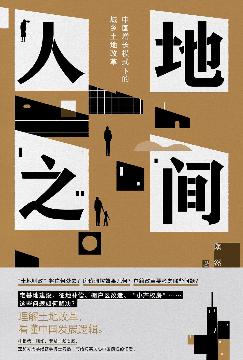
        <p>By 陶然, published in 2023</p>
        <p><img src="https://www.binwang.me/static/book-covers/人地之间.jpg" alt="人地之间" /></p>
        
        
        <p>在上一篇《小镇喧嚣》的读书笔记中提到，过年期间想找几本中文书。在看完那本书之后，因为其中提到的土地矛盾问题，以及这几年回乡观察到的大规模房地产开发，所以想找一本关于土地财政的书来看。</p>

<p>这本书几大概为三部分，一部分是当前问题，第二部分是形成原因，第三部分是解决方案。</p>

<p>至少对我来说，最有价值的是第一部分，其中谈到了政府如何依赖土地财政、宅基地、集体土地入市和耕地问题等等。补充了我经验认知中的不足，尤其是我之前没有接触过的工业用地部分。</p>

<p>第二部分有些参考价值。更偏学术性。其中反驳了一些其他理论。因为我对此涉猎并不是很多，其中讨论又比较枯燥，所以在此不再多加点评。</p>

<p>第三部分的解决方案，多是纸上谈兵，可能只能作为头脑游戏来看。解决方案的复杂，正是因为中国计划经济的遗留和多年的强政府干预的积重难返。多年之前刚工作时，一个同事就说中国的体制就是 patch on patch，此言确实不虚。在我一篇<a href="/2025-08-13-Why-Consensus-Shortcuts-Fail.html">谈分布式系统一致性的博客</a>中，就分析了对于一个定义非常完善、能非常方便模拟和测试的计算机问题，尚且有很多看似完善但是漏洞百出的解决方案，更不用说对于一个如此复杂的、牵一发而动全身的社会问题，如果没有科学的方法和试验，肯定是顾此失彼。而这个问题的根本解决办法，恐怕还是至少部分”重构“而非”打补丁“，否则系统的复杂程度可能是非人类所能解决的了。</p>

<p>本书出版于 2023 年，恒大事件以及房地产下行已经开始，不知作者为何没有提及。</p>

        
      ]]>
    </content>
    <summary type="html">
      <![CDATA[By 陶然, published in 2023. My Notes: &lt;p&gt;在上一篇《小镇喧嚣》的读书笔记中提到，过年期间想找几本中文书。在看完那本书之后，因为其中提到的土地矛盾问题，以及这几年回乡观察到的大规模房地产开发，所以想找一本关于土地财政的书来看。&lt;/p&gt;

&lt;p&gt;这本书几大概为三部分，一部分是当前问题，第二部分是形成原因，第三部分是解决方案。&lt;/p&gt;

&lt;p&gt;至少对我来说，最有价值的是第一部分，其中谈到了政府如何依赖土地财政、宅基地、集体土地入市和耕地问题等等。补充了我经验认知中的不足，尤其是我之前没有接触过的工业用地部分。&lt;/p&gt;

&lt;p&gt;第二部分有些参考价值。更偏学术性。其中反驳了一些其他理论。因为我对此涉猎并不是很多，其中讨论又比较枯燥，所以在此不再多加点评。&lt;/p&gt;

&lt;p&gt;第三部分的解决方案，多是纸上谈兵，可能只能作为头脑游戏来看。解决方案的复杂，正是因为中国计划经济的遗留和多年的强政府干预的积重难返。多年之前刚工作时，一个同事就说中国的体制就是 patch on patch，此言确实不虚。在我一篇&lt;a href=&quot;/2025-08-13-Why-Consensus-Shortcuts-Fail.html&quot;&gt;谈分布式系统一致性的博客&lt;/a&gt;中，就分析了对于一个定义非常完善、能非常方便模拟和测试的计算机问题，尚且有很多看似完善但是漏洞百出的解决方案，更不用说对于一个如此复杂的、牵一发而动全身的社会问题，如果没有科学的方法和试验，肯定是顾此失彼。而这个问题的根本解决办法，恐怕还是至少部分”重构“而非”打补丁“，否则系统的复杂程度可能是非人类所能解决的了。&lt;/p&gt;

&lt;p&gt;本书出版于 2023 年，恒大事件以及房地产下行已经开始，不知作者为何没有提及。&lt;/p&gt;]]>
    </summary>
  </entry>
  
  <entry>
    <title type="html">小镇喧嚣</title>
    <link href="https://www.binwang.me/books/%E5%B0%8F%E9%95%87%E5%96%A7%E5%9A%A3" rel="alternate" type="text/html" title="小镇喧嚣" />
    <published>2026-02-24T00:00:00-05:00</published>
    <updated>2026-02-24T00:00:00-05:00</updated>
    <id>https://www.binwang.me/books/%E5%B0%8F%E9%95%87%E5%96%A7%E5%9A%A3</id>
    <content type="html" xml:base="https://www.binwang.me/books/%E5%B0%8F%E9%95%87%E5%96%A7%E5%9A%A3">
      <![CDATA[
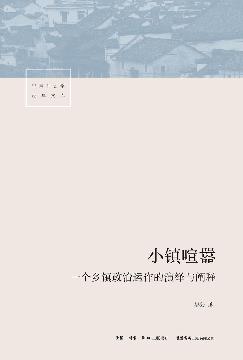
        <p>By 吴毅, published in 2018</p>
        <p><img src="https://www.binwang.me/static/book-covers/小镇喧嚣.jpg" alt="小镇喧嚣" /></p>
        
        
        <p>过年回国期间读不下去正在读的古代中东地区历史，所以转而找了一本中国相关的书来读。这本书出版年代比较早（第一版2007年出版），正如我在<a href="/2025-02-28-Travel-Back-To-China-2025.html">之前一篇博客</a>中所说，中国太大而且发展得太快，任何观察都只能是一个切片。然而这并不是说这些切片就没有意义。这本书里所叙述的很多事情，现在看来也很有意思，而且也很相关。</p>

<p>这本书夹叙夹议，议论的部分学术气息有点浓厚，阅读体验并不是很好，不过好在主体还是偏向于叙事的。作者以其身份和资源，得以近距离观察到乡镇和村一级的基层干部的工作方式，非常有价值。其中很多情节看似荒诞，但是对于熟悉乡村社会的人来说，也是情理之中。书中大概而言，谈到了这些问题和现象：</p>

<p>第一个是运动式治理与检查。不知现在具体细节是否还一样，不过这种现象直至今日无疑还是存在的，同样在我上面链接的博客有写到。</p>

<p>第二个是税收的困难。主要是农业税。不过农业税在此书出版时已经取消。作者也在其中谈了农业税取消后的一些变化。所以这部分可以说于今日已经不是特别相关。至于国税和地税，提到了很有意思的“协税”，不知如今是否还是存在。</p>

<p>第三个是土地开发带来的矛盾。在此书写成之后，这一部分矛盾依然是中国城乡发展的主题。由于中国特殊的农村土地使用制度，土地不能由个人自由买卖，于是给了政府很多通过卖地而盈利的空间。然而土地有限，政府只是卖地又不能持续发展。而且既然政府得到了大多数利益，那农民的利益难免受损。再加上土地经济带来的过度开发，也给城市长期的健康发展带来了很多隐患。这些弊端，时至今日，也还发生在包括我的家乡的很多城市。这次回多伦多之后写的博客可能也会简单谈一谈这次回国与此相关的一些见闻。</p>

<p>除了谈到这些问题之外，书中还谈到了基层是如何解决矛盾的。不出意外，大部分是靠人情社会的方式而不是法制的方式。其中人情社会的方式还包括上访、农民闹事等方式。习上台之后，对于基层吃饭喝酒问题大有整顿，所以书中所述一些细节于今日可能已经不太一样，但是底层逻辑应该还是差不多。人治和法制的问题，之前我也没有细细想过，只是觉得是个很大的弊端。然而通过书中具体的案例，可以看到在利益和社会关系错综复杂的乡村社会，法制并不能解决所有甚至是大部分问题。一个是法律本身脱离乡村社会的实际，甚至如上文所提到的土地使用问题，法律本身就是不甚公平的；二是农村很多事情本身就手续和规范不健全；三是是司法高昂的时间和金钱成本不是大多数农民可以承担的了的，尤其是政府本身违法的情况下。</p>

<p>下一本书准备看一下陶然的《人地之间》来深入一下土地相关问题。</p>

        
      ]]>
    </content>
    <summary type="html">
      <![CDATA[By 吴毅, published in 2018. My Notes: &lt;p&gt;过年回国期间读不下去正在读的古代中东地区历史，所以转而找了一本中国相关的书来读。这本书出版年代比较早（第一版2007年出版），正如我在&lt;a href=&quot;/2025-02-28-Travel-Back-To-China-2025.html&quot;&gt;之前一篇博客&lt;/a&gt;中所说，中国太大而且发展得太快，任何观察都只能是一个切片。然而这并不是说这些切片就没有意义。这本书里所叙述的很多事情，现在看来也很有意思，而且也很相关。&lt;/p&gt;

&lt;p&gt;这本书夹叙夹议，议论的部分学术气息有点浓厚，阅读体验并不是很好，不过好在主体还是偏向于叙事的。作者以其身份和资源，得以近距离观察到乡镇和村一级的基层干部的工作方式，非常有价值。其中很多情节看似荒诞，但是对于熟悉乡村社会的人来说，也是情理之中。书中大概而言，谈到了这些问题和现象：&lt;/p&gt;

&lt;p&gt;第一个是运动式治理与检查。不知现在具体细节是否还一样，不过这种现象直至今日无疑还是存在的，同样在我上面链接的博客有写到。&lt;/p&gt;

&lt;p&gt;第二个是税收的困难。主要是农业税。不过农业税在此书出版时已经取消。作者也在其中谈了农业税取消后的一些变化。所以这部分可以说于今日已经不是特别相关。至于国税和地税，提到了很有意思的“协税”，不知如今是否还是存在。&lt;/p&gt;

&lt;p&gt;第三个是土地开发带来的矛盾。在此书写成之后，这一部分矛盾依然是中国城乡发展的主题。由于中国特殊的农村土地使用制度，土地不能由个人自由买卖，于是给了政府很多通过卖地而盈利的空间。然而土地有限，政府只是卖地又不能持续发展。而且既然政府得到了大多数利益，那农民的利益难免受损。再加上土地经济带来的过度开发，也给城市长期的健康发展带来了很多隐患。这些弊端，时至今日，也还发生在包括我的家乡的很多城市。这次回多伦多之后写的博客可能也会简单谈一谈这次回国与此相关的一些见闻。&lt;/p&gt;

&lt;p&gt;除了谈到这些问题之外，书中还谈到了基层是如何解决矛盾的。不出意外，大部分是靠人情社会的方式而不是法制的方式。其中人情社会的方式还包括上访、农民闹事等方式。习上台之后，对于基层吃饭喝酒问题大有整顿，所以书中所述一些细节于今日可能已经不太一样，但是底层逻辑应该还是差不多。人治和法制的问题，之前我也没有细细想过，只是觉得是个很大的弊端。然而通过书中具体的案例，可以看到在利益和社会关系错综复杂的乡村社会，法制并不能解决所有甚至是大部分问题。一个是法律本身脱离乡村社会的实际，甚至如上文所提到的土地使用问题，法律本身就是不甚公平的；二是农村很多事情本身就手续和规范不健全；三是是司法高昂的时间和金钱成本不是大多数农民可以承担的了的，尤其是政府本身违法的情况下。&lt;/p&gt;

&lt;p&gt;下一本书准备看一下陶然的《人地之间》来深入一下土地相关问题。&lt;/p&gt;]]>
    </summary>
  </entry>
  
  <entry>
    <title type="html">How Toddlers Thrive: What Parents Can Do Today for Children Ages 2-5 to Plant the Seeds of Lifelong Success</title>
    <link href="https://www.binwang.me/books/how-toddlers-thrive-what-parents-can-do-today-for-children-ages-2-5-to-plant-the-seeds-of-lifelong-success" rel="alternate" type="text/html" title="How Toddlers Thrive: What Parents Can Do Today for Children Ages 2-5 to Plant the Seeds of Lifelong Success" />
    <published>2026-01-18T00:00:00-05:00</published>
    <updated>2026-01-18T00:00:00-05:00</updated>
    <id>https://www.binwang.me/books/how-toddlers-thrive-what-parents-can-do-today-for-children-ages-2-5-to-plant-the-seeds-of-lifelong-success</id>
    <content type="html" xml:base="https://www.binwang.me/books/how-toddlers-thrive-what-parents-can-do-today-for-children-ages-2-5-to-plant-the-seeds-of-lifelong-success">
      <![CDATA[
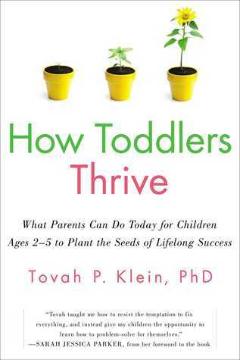
        <p>By Tovah P. Klein, published in 2014</p>
        <p><img src="https://www.binwang.me/static/book-covers/how-toddlers-thrive-what-parents-can-do-today-for-children-ages-2-5-to-plant-the-seeds-of-lifelong-success.jpg" alt="How Toddlers Thrive: What Parents Can Do Today for Children Ages 2-5 to Plant the Seeds of Lifelong Success" /></p>
        
        
        <p>There are lots of things to learn when raising a kid. With so many information and advices from Internet nowadays, I feel like books at least provide a systematic view instead of just random tips. So here is another book about raising a kid, when my daughter is approaching the age of three.</p>

<p>From my own experience, children at age two to three can be really a conflicted and confusing creature. They can be happy at one moment and melt down at the next moment. By reading this book, just knowing the challenges I’m facing are not unique is a big comfort and makes it easier to focus on the problem solving part instead of the emotion part.</p>

<p>When reading it, I believe more that raising a kid is more like an art than a science, which I wrote in <a href="/2025-01-13-A-2-Year-Reflection.html">a previous blog</a>. But you need to at least understand the science part in order to master the art. The first half of the book covers the basics of child development, such as how children think at this stage (even though it’s a little bit too repetitive). The key points are: children lack the ability to control their emotions because the prefrontal cortex hasn’t fully developed yet (which happens at age of 20s). They are also feeling more emotions because of the conflict between the desire for independence and the fear of separation from parents.</p>

<p>Once understood this aspect, it’s easier to deal with the challenges because you know where it comes from, even though it’s still an art to resolve it from day to day, for things like guessing the triggers of problems, mastering the balance between too much control vs not having a clear boundary, and so on. The second half provides some examples for inspiration, but can feel like random tips again. It’s an art at the end, what else would you expect?</p>


      ]]>
    </content>
    <summary type="html">
      <![CDATA[By Tovah P. Klein, published in 2014. My Notes: &lt;p&gt;There are lots of things to learn when raising a kid. With so many information and advices from Internet nowadays, I feel like books at least provide a systematic view instead of just random tips. So here is another book about raising a kid, when my daughter is approaching the...]]>
    </summary>
  </entry>
  
  <entry>
    <title type="html">A History of the Ancient Near East, ca. 3000-323 BC</title>
    <link href="https://www.binwang.me/books/a-history-of-the-ancient-near-east-ca-3000-323-bc" rel="alternate" type="text/html" title="A History of the Ancient Near East, ca. 3000-323 BC" />
    <published>2025-12-30T00:00:00-05:00</published>
    <updated>2025-12-30T00:00:00-05:00</updated>
    <id>https://www.binwang.me/books/a-history-of-the-ancient-near-east-ca-3000-323-bc</id>
    <content type="html" xml:base="https://www.binwang.me/books/a-history-of-the-ancient-near-east-ca-3000-323-bc">
      <![CDATA[
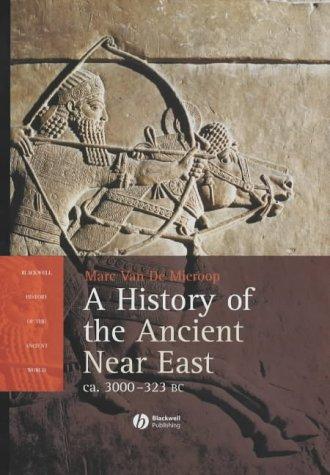
        <p>By Marc Van de Mieroop, published in 2003</p>
        <p><img src="https://www.binwang.me/static/book-covers/a-history-of-the-ancient-near-east-ca-3000-323-bc.jpg" alt="A History of the Ancient Near East, ca. 3000-323 BC" /></p>
        
        
        <p>I start this book as the first one of a reading project of ancient history because the ancient near east civilizations are the oldest ones we know. I’m glad that I finished it before the new year. Seems to be a good start of the project for the next year.</p>

<p>There are two things that prompted me to start such a reading project. One is from the last book I read <a href="/books/万古江河">万古江河</a>, a book that has an overview of the Chinese history but also compares it with some other ancient civilizations at the same time. The book was very brief even on the Chinese history, so it inspired me to know more and build a systematic history view from the beginning.</p>

<p>Another one is from the experience of visiting the British Museum <a href="/2025-02-28-Travel-Back-To-China-2025.html">at the end of last year</a>. I saw lots of Assyrian objects there but only had very little knowledge about it other than perhaps a chapter of the history textbook in school. I don’t even have a concrete concept of the geography of the near east even though it’s still a very important area till today. It made me realize while I’m very interested in ancient history, there is such a big gap of my knowledge about the earliest civilization in human history. So here I am, start to read from the earliest human civilization.</p>

<p>This book is a very good overview of the ancient near east history. I feel like I got a good introduction with little background. Even though I cannot remember everything it talks about, it’s never the goal. I have a good concept of the important time periods and historical geography after reading it, and to me that’s good enough.</p>


      ]]>
    </content>
    <summary type="html">
      <![CDATA[By Marc Van de Mieroop, published in 2003. My Notes: &lt;p&gt;I start this book as the first one of a reading project of ancient history because the ancient near east civilizations are the oldest ones we know. I’m glad that I finished it before the new year. Seems to be a good start of the project for the next year.&lt;/p&gt;...]]>
    </summary>
  </entry>
  
  <entry>
    <title type="html">万古江河</title>
    <link href="https://www.binwang.me/books/%E4%B8%87%E5%8F%A4%E6%B1%9F%E6%B2%B3" rel="alternate" type="text/html" title="万古江河" />
    <published>2025-08-07T00:00:00-04:00</published>
    <updated>2025-08-07T00:00:00-04:00</updated>
    <id>https://www.binwang.me/books/%E4%B8%87%E5%8F%A4%E6%B1%9F%E6%B2%B3</id>
    <content type="html" xml:base="https://www.binwang.me/books/%E4%B8%87%E5%8F%A4%E6%B1%9F%E6%B2%B3">
      <![CDATA[
        <p>By 许倬云, published in 2017</p>
        <p><img src="https://www.binwang.me/static/book-covers/万古江河.jpg" alt="万古江河" /></p>
        
        
        <p>最近许倬云先生去世，才把他的著作拿来看。这本书是所谓“大历史”，对于历史细节描述并不甚多，需要读者对中国历史有一些基本的了解。亮点是把中国放在地区和世界视角下来审视，并且每个年代都有和国外同时代的一些朝代、帝国或者事件的对比，更加引人思考。例如对比西汉和古罗马时，讲到罗马是强藩。仅仅这一个简单的常用于中国历史的术语，就让对中国历史比较熟悉的人能更容易的了解罗马的特色。</p>

<p>但是这本书大概只适合用来做个大纲。对于每个年代，每个主题，讲解都略浅。作为大纲，给人以启发，然后找更多资料去深入了解自己感兴趣的部分，可能是本书更好的读法。</p>

        
      ]]>
    </content>
    <summary type="html">
      <![CDATA[By 许倬云, published in 2017. My Notes: &lt;p&gt;最近许倬云先生去世，才把他的著作拿来看。这本书是所谓“大历史”，对于历史细节描述并不甚多，需要读者对中国历史有一些基本的了解。亮点是把中国放在地区和世界视角下来审视，并且每个年代都有和国外同时代的一些朝代、帝国或者事件的对比，更加引人思考。例如对比西汉和古罗马时，讲到罗马是强藩。仅仅这一个简单的常用于中国历史的术语，就让对中国历史比较熟悉的人能更容易的了解罗马的特色。&lt;/p&gt;

&lt;p&gt;但是这本书大概只适合用来做个大纲。对于每个年代，每个主题，讲解都略浅。作为大纲，给人以启发，然后找更多资料去深入了解自己感兴趣的部分，可能是本书更好的读法。&lt;/p&gt;]]>
    </summary>
  </entry>
  
  <entry>
    <title type="html">我不是潘金莲</title>
    <link href="https://www.binwang.me/books/%E6%88%91%E4%B8%8D%E6%98%AF%E6%BD%98%E9%87%91%E8%8E%B2" rel="alternate" type="text/html" title="我不是潘金莲" />
    <published>2025-07-28T00:00:00-04:00</published>
    <updated>2025-07-28T00:00:00-04:00</updated>
    <id>https://www.binwang.me/books/%E6%88%91%E4%B8%8D%E6%98%AF%E6%BD%98%E9%87%91%E8%8E%B2</id>
    <content type="html" xml:base="https://www.binwang.me/books/%E6%88%91%E4%B8%8D%E6%98%AF%E6%BD%98%E9%87%91%E8%8E%B2">
      <![CDATA[
        <p>By 刘震云, published in 2016</p>
        <p><img src="https://www.binwang.me/static/book-covers/我不是潘金莲.jpg" alt="我不是潘金莲" /></p>
        
        
        <p>又是一本刘震云的书。可能是最近几年读的最好读的一本书了。荒诞且黑色幽默。很适合书刚出版的那个年代。但是短短几年过去，好像不是很适合现在这个年代了。</p>

        
      ]]>
    </content>
    <summary type="html">
      <![CDATA[By 刘震云, published in 2016. My Notes: &lt;p&gt;又是一本刘震云的书。可能是最近几年读的最好读的一本书了。荒诞且黑色幽默。很适合书刚出版的那个年代。但是短短几年过去，好像不是很适合现在这个年代了。&lt;/p&gt;]]>
    </summary>
  </entry>
  
  <entry>
    <title type="html">一日三秋</title>
    <link href="https://www.binwang.me/books/%E4%B8%80%E6%97%A5%E4%B8%89%E7%A7%8B" rel="alternate" type="text/html" title="一日三秋" />
    <published>2025-07-27T00:00:00-04:00</published>
    <updated>2025-07-27T00:00:00-04:00</updated>
    <id>https://www.binwang.me/books/%E4%B8%80%E6%97%A5%E4%B8%89%E7%A7%8B</id>
    <content type="html" xml:base="https://www.binwang.me/books/%E4%B8%80%E6%97%A5%E4%B8%89%E7%A7%8B">
      <![CDATA[
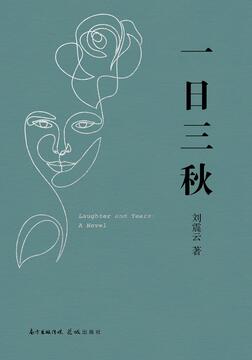
        <p>By 刘震云, published in 2021</p>
        <p><img src="https://www.binwang.me/static/book-covers/一日三秋.jpg" alt="一日三秋" /></p>
        
        
        <p>看完了刘震云的《一句顶一万句》之后，又找来他别的书看。也是一口气半天就看完了这本书。说实话这本书感觉并不如《一句顶一万句》，但是虚实结合，也挺有意思。</p>

        
      ]]>
    </content>
    <summary type="html">
      <![CDATA[By 刘震云, published in 2021. My Notes: &lt;p&gt;看完了刘震云的《一句顶一万句》之后，又找来他别的书看。也是一口气半天就看完了这本书。说实话这本书感觉并不如《一句顶一万句》，但是虚实结合，也挺有意思。&lt;/p&gt;]]>
    </summary>
  </entry>
  
  <entry>
    <title type="html">一句顶一万句</title>
    <link href="https://www.binwang.me/books/%E4%B8%80%E5%8F%A5%E9%A1%B6%E4%B8%80%E4%B8%87%E5%8F%A5" rel="alternate" type="text/html" title="一句顶一万句" />
    <published>2025-07-26T00:00:00-04:00</published>
    <updated>2025-07-26T00:00:00-04:00</updated>
    <id>https://www.binwang.me/books/%E4%B8%80%E5%8F%A5%E9%A1%B6%E4%B8%80%E4%B8%87%E5%8F%A5</id>
    <content type="html" xml:base="https://www.binwang.me/books/%E4%B8%80%E5%8F%A5%E9%A1%B6%E4%B8%80%E4%B8%87%E5%8F%A5">
      <![CDATA[
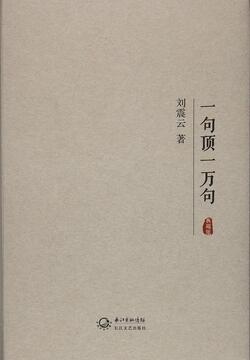
        <p>By 刘震云, published in 2016</p>
        <p><img src="https://www.binwang.me/static/book-covers/一句顶一万句.jpg" alt="一句顶一万句" /></p>
        
        
        <p>之前听说过刘震云和这本书，最近想找本书打法时间的时候正好又在豆瓣看到了，就读了一下。没想到一口气看到凌晨三点多看完了。</p>

<p>这本书可以说是于无声处听惊雷。故事娓娓道来。没有什么英雄美人，也没什么江湖儿女，好像都是老家里面上几辈可能发生的事情。语言风格上和《俗世奇人》有点像，不过少了天津味和奇人，可以说是俗世俗人。但就是这样平实的语言和故事，才让人觉得摸得着看得见，才读着让人揪心，让人唏嘘。很多事情的起因都是鸡毛蒜皮、日常琐碎。但就是这些日常琐碎日积月累，积累出了一环又一环的弯弯绕绕。有人说《天龙八部》是“有情皆孽，无人不冤”，我觉得形容这本书可能还更合适。</p>

<p>不由的想到其实传统乡土和大家庭模式的人际关系真的复杂。一个大家庭几代人男女老少生活在一个屋檐下，一群家庭几辈子都生活在一个村子，怎么会没有矛盾。而矛盾的来源又是说不清道不明。城市化改变了这样的人际关系，至少对我来说，是个好事吧。在大城市，就算邻居也不一定认识，就算合租的人也不一定会有心思关心，就算生活在同一个城市的朋友也不一定有时间总是见面。人际关系的改变，不再需要背井离乡改名换姓，可能只是换个工作的事。成本变得前所未有的低。不得不说这是现代人的幸运。</p>


      ]]>
    </content>
    <summary type="html">
      <![CDATA[By 刘震云, published in 2016. My Notes: &lt;p&gt;之前听说过刘震云和这本书，最近想找本书打法时间的时候正好又在豆瓣看到了，就读了一下。没想到一口气看到凌晨三点多看完了。&lt;/p&gt;

&lt;p&gt;这本书可以说是于无声处听惊雷。故事娓娓道来。没有什么英雄美人，也没什么江湖儿女，好像都是老家里面上几辈可能发生的事情。语言风格上和《俗世奇人》有点像，不过少了天津味和奇人，可以说是俗世俗人。但就是这样平实的语言和故事，才让人觉得摸得着看得见，才读着让人揪心，让人唏嘘。很多事情的起因都是鸡毛蒜皮、日常琐碎。但就是这些日常琐碎日积月累，积累出了一环又一环的弯弯绕绕。有人说《天龙八部》是“有情皆孽，无人不冤”，我觉得形容这本书可能还更合适。&lt;/p&gt;

&lt;p&gt;不由的想到其实传统乡土和大家庭模式的人际关系真的复杂。一个大家庭几代人男女老少生活在一个屋檐下，一群家庭几辈子都生活在一个村子，怎么会没有矛盾。而矛盾的来源又是说不清道不明。城市化改变了这样的人际关系，至少对我来说，是个好事吧。在大城市，就算邻居也不一定认识，就算合租的人也不一定会有心思关心，就算生活在同一个城市的朋友也不一定有时间总是见面。人际关系的改变，不再需要背井离乡改名换姓，可能只是换个工作的事。成本变得前所未有的低。不得不说这是现代人的幸运。&lt;/p&gt;]]>
    </summary>
  </entry>
  
  <entry>
    <title type="html">Growing Up in Public: Coming of Age in a Digital World</title>
    <link href="https://www.binwang.me/books/growing-up-in-public-coming-of-age-in-a-digital-world" rel="alternate" type="text/html" title="Growing Up in Public: Coming of Age in a Digital World" />
    <published>2025-07-16T00:00:00-04:00</published>
    <updated>2025-07-16T00:00:00-04:00</updated>
    <id>https://www.binwang.me/books/growing-up-in-public-coming-of-age-in-a-digital-world</id>
    <content type="html" xml:base="https://www.binwang.me/books/growing-up-in-public-coming-of-age-in-a-digital-world">
      <![CDATA[
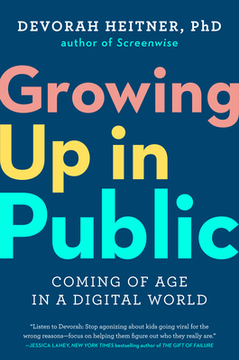
        <p>By Devorah Heitner, published in 2023</p>
        <p><img src="https://www.binwang.me/static/book-covers/growing-up-in-public-coming-of-age-in-a-digital-world.jpg" alt="Growing Up in Public: Coming of Age in a Digital World" /></p>
        
        
        <p>I found this book in the local library, displayed in a prominent position in the tech section. Discussing how to raise kids in the age of social media, the topic is an interesting one. As a software developer who grew up alongside the rise of social media and even worked on some social media products in the past, I really know how damaging these platforms can be to mental health, especially for teenagers whose brain are still developing and are more vulnerable to the tricks that the big companies spent billions to develop. Which is why I’ve almost quit all the social media and wrote the blog post <a href="/2020-08-02-What-Is-Wrong-abount-Recommendation-System.html">What Is Wrong about Recommendation System</a>.</p>

<p>But when raising a kid, you cannot simply impose your ideology on them, especially if all their peers are using the social media. It’s a pretty unique challenge. I’ve been thinking it from time to time since my daughter was born. There is still quite a while before she’d old enough to use social media, so hopefully by then, enough people will have recognized the harm so it’s not popular among kids anymore.</p>

<p>Anyway, I still want to see how others are thinking about the problem and the solutions they propose today. So I picked up this book with great interests. But unfortunately, I found it underwhelming. There is no systematic discussion about the problem and the principle of the solutions. It reads more like a collection of some random problems and solutions. Some of them are not even particularly relevant to the digital age.</p>

        
      ]]>
    </content>
    <summary type="html">
      <![CDATA[By Devorah Heitner, published in 2023. My Notes: &lt;p&gt;I found this book in the local library, displayed in a prominent position in the tech section. Discussing how to raise kids in the age of social media, the topic is an interesting one. As a software developer who grew up alongside the rise of social media and even worked...]]>
    </summary>
  </entry>
  
  <entry>
    <title type="html">When America First Met China: An Exotic History of Tea, Drugs, and Money in the Age of Sail</title>
    <link href="https://www.binwang.me/books/when-america-first-met-china-an-exotic-history-of-tea-drugs-and-money-in-the-age-of-sail" rel="alternate" type="text/html" title="When America First Met China: An Exotic History of Tea, Drugs, and Money in the Age of Sail" />
    <published>2025-06-22T00:00:00-04:00</published>
    <updated>2025-06-22T00:00:00-04:00</updated>
    <id>https://www.binwang.me/books/when-america-first-met-china-an-exotic-history-of-tea-drugs-and-money-in-the-age-of-sail</id>
    <content type="html" xml:base="https://www.binwang.me/books/when-america-first-met-china-an-exotic-history-of-tea-drugs-and-money-in-the-age-of-sail">
      <![CDATA[
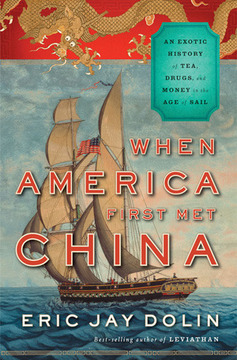
        <p>By Eric Jay Dolin, published in 2012</p>
        <p><img src="https://www.binwang.me/static/book-covers/when-america-first-met-china-an-exotic-history-of-tea-drugs-and-money-in-the-age-of-sail.jpg" alt="When America First Met China: An Exotic History of Tea, Drugs, and Money in the Age of Sail" /></p>
        
        
        <p>I picked up this book when I found it in the book store’s discount section. As a Chinese living in Canada (well, not Amercia but still a country hugely impacted by it), I couldn’t help to be attracted by it. Not to mention the relationship between America and China is one of the most important topics in the current world. Maybe we can learn something from the beginning.</p>

<p>When America first met China, Guangzhou was the only city in China allowed to do trades with foreigners. It’s the frontier of the cross culture communication in an era of the west surpassing China in technology. The interaction between the ancient China and modern western countries affect the destiny of China until this day. Even though <a href="/2013-03-04-Life-in-Guangzhou.html">I’ve been in Guangzhou</a> for a few months, including a large amount of time spent around one of its first ports, I didn’t know its full glory until I read this book.</p>

<p>Here are some interesting things mentioned in the book:</p>

<ul>
  <li><a href="https://en.wikipedia.org/wiki/Howqua">Howqua</a>, a hong merchant, maybe the riches man in the world at the time. And he heavily invested in America including the railways.</li>
  <li>One of the popular Chinese product at the time was replicas of western paintings, even though the style was dismissed as crafts instead of art in China. More interestingly, in <a href="https://www.goodreads.com/book/show/6945572-country-driving">Country Driving</a>, the author mentioned it’s a main industry for a new boom town in China. So seems there is still a strong demand even today.</li>
  <li>Another popular product from China nowadays – the knock offs of big brands, is also dated back when America first started trade with China.</li>
</ul>

        
      ]]>
    </content>
    <summary type="html">
      <![CDATA[By Eric Jay Dolin, published in 2012. My Notes: &lt;p&gt;I picked up this book when I found it in the book store’s discount section. As a Chinese living in Canada (well, not Amercia but still a country hugely impacted by it), I couldn’t help to be attracted by it. Not to mention the relationship between America and China is...]]>
    </summary>
  </entry>
  
  <entry>
    <title type="html">The Great Gatsby</title>
    <link href="https://www.binwang.me/books/the-great-gatsby" rel="alternate" type="text/html" title="The Great Gatsby" />
    <published>2025-05-15T00:00:00-04:00</published>
    <updated>2025-05-15T00:00:00-04:00</updated>
    <id>https://www.binwang.me/books/the-great-gatsby</id>
    <content type="html" xml:base="https://www.binwang.me/books/the-great-gatsby">
      <![CDATA[
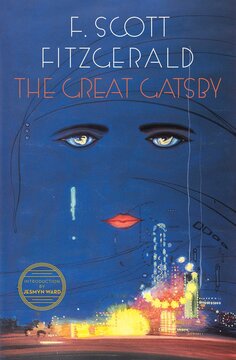
        <p>By F. Scott Fitzgerald, Jesmyn Ward, published in 1925</p>
        <p><img src="https://www.binwang.me/static/book-covers/the-great-gatsby.jpg" alt="The Great Gatsby" /></p>
        
        
        <p>This is a famous book that seems to be in the reading list of American schools. I’ve heard of the book maybe since I was a student, too. I first saw it in a book store in China a few years ago. I just picked it up and read the first page causally. The book was a Chinese translation but the first paragraphs still caught my eyes, especially the quote “Whenever you feel like criticizing any one, just remember that all the people in this world haven’t had the advantages that you’ve had. “. In retrospective, this sentence doesn’t seem to be very related to the theme of the book. It’s kind of a trick to use something unique at the beginning to attract people into the book.</p>

<p>Nevertheless, I only read the first page that day. Only after a few years, when I wanted to do more readings (given the declined trend of the number of books I’ve read in recent years), I picked this up again since I thought this is something easy and fun to read. And I’m not wrong. It’s a small book with thrilling plot. And it’s kind of a glimpse of the after war America (even the book was written after the First World War but was only popular after the Second World War), and some the themes it explored still exists to this day.</p>

        
      ]]>
    </content>
    <summary type="html">
      <![CDATA[By F. Scott Fitzgerald, Jesmyn Ward, published in 1925. My Notes: &lt;p&gt;This is a famous book that seems to be in the reading list of American schools. I’ve heard of the book maybe since I was a student, too. I first saw it in a book store in China a few years ago. I just picked it up and read the...]]>
    </summary>
  </entry>
  
  <entry>
    <title type="html">The Death and Life of Great American Cities</title>
    <link href="https://www.binwang.me/books/the-death-and-life-of-great-american-cities" rel="alternate" type="text/html" title="The Death and Life of Great American Cities" />
    <published>2025-05-03T00:00:00-04:00</published>
    <updated>2025-05-03T00:00:00-04:00</updated>
    <id>https://www.binwang.me/books/the-death-and-life-of-great-american-cities</id>
    <content type="html" xml:base="https://www.binwang.me/books/the-death-and-life-of-great-american-cities">
      <![CDATA[
        <p>By Jane Jacobs, published in 1961</p>
        <p><img src="https://www.binwang.me/static/book-covers/the-death-and-life-of-great-american-cities.jpg" alt="The Death and Life of Great American Cities" /></p>
        
        
        <p>This is a book I spent a long time to read, partially because it’s a little bit dry. But considering the historical importance and its influence on modern urban planning, I still finished it.</p>

<p>I got interested in urban planning when I started to play City Skylines. Trying to resolve the traffic problem in my simulated city, I started to fall into a rabbit hole of urban planning. I started to research more on the topic, from Youtube videos to books. And actually started to observe the city planning in real life. Even though I could feel something about a city unconscious before, I know more about why after I knew more on the topic. For example, when I first went to Beijing as a student and lived in my uncle’s place, I just didn’t like the neighbourhood but I didn’t know why. I just felt like there was no people walking outside after dinner like what I was used to. But now I know why: there was a highway just beyond the neighbourhood, there was no commercial, nothing interesting on the sidewalk, the road design was not human scale and so on.</p>

<p>Given the importance of this book on urban planning history, it’s no wonder that I discovered it. I decide to read it not only because of that, but also the impact the author, Jane Jacobs, had on the city of Toronto, especially on the neighbourhood I’m current living in. Jane Jacobs moved to Toronto in early 70s. She quickly became a leader to protest the proposed Spadina Expressway. For the ones who are not familiar with Toronto, Spadina Road is a road run through the core of downtown. It’s one of the main street of Toronto’s Chinatown, and is a boundary of one of the most unique neighbourhood – <a href="https://en.wikipedia.org/wiki/Kensington_Market">Kensington Market</a>. It’s vibrant, pedestrian friendly, hosts lots of shops and restaurants, including lots of Chinese ones. And I happen to live nearby. If the proposal of Spadina Expressway went through, all of these would be gone. The Chinatown would be demolished <strong>again</strong>, after it was demolished in <a href="https://en.wikipedia.org/wiki/The_Ward%2C_Toronto">the Ward neighbourhood</a> which hosts the current Toronto’s city hall. I cannot imagine how bad it will be to have a highway cut right through the city core, and I surely wouldn’t live where I live now. With enough bad city plannings in Toronto, at least the people of Toronto won this one.</p>

<p>So I’m really grateful to Jane Jacobs. I paid a visit to the house where she used to live. It was in a lovely neighbourhood. I have lots of rants about Toronto’s city planning and most likely I will write a blog about it, but hopefully Toronto can learn its lesson from her and minds alike, and become a better city going forward.</p>

        
      ]]>
    </content>
    <summary type="html">
      <![CDATA[By Jane Jacobs, published in 1961. My Notes: &lt;p&gt;This is a book I spent a long time to read, partially because it’s a little bit dry. But considering the historical importance and its influence on modern urban planning, I still finished it.&lt;/p&gt; &lt;p&gt;I got interested in urban planning when I started to play City Skylines. Trying to resolve...]]>
    </summary>
  </entry>
  
  <entry>
    <title type="html">Country Driving: A Journey Through China from Farm to Factory</title>
    <link href="https://www.binwang.me/books/country-driving-a-journey-through-china-from-farm-to-factory" rel="alternate" type="text/html" title="Country Driving: A Journey Through China from Farm to Factory" />
    <published>2025-02-08T00:00:00-05:00</published>
    <updated>2025-02-08T00:00:00-05:00</updated>
    <id>https://www.binwang.me/books/country-driving-a-journey-through-china-from-farm-to-factory</id>
    <content type="html" xml:base="https://www.binwang.me/books/country-driving-a-journey-through-china-from-farm-to-factory">
      <![CDATA[
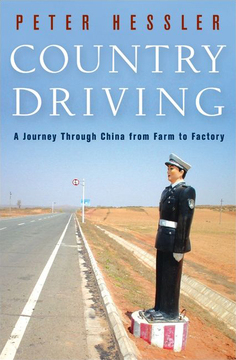
        <p>By Peter Hessler, published in 2009</p>
        <p><img src="https://www.binwang.me/static/book-covers/country-driving-a-journey-through-china-from-farm-to-factory.jpg" alt="Country Driving: A Journey Through China from Farm to Factory" /></p>
        
        
        <p>I started this book a few years ago, but only read a little because I read too much Peter Hessler’s book at the time so was a little tired. After read his new book <em>Other Rivers</em>, I picked up this book again and found it’s one of my favorite books of his, because of the broad topics he explored in the book.</p>

<p>I talked his books a little bit in my <a href="/2025-02-28-Travel-Back-To-China-2025.html">travel back to China blog</a>, which mentions he inspired me to observe Chinese sociality more and write it in English. In this book, he talked about places like country of Beijing, relatively poorer countries along Great Wall in northwest China, boom towns of southern China and so on. The era he covered is the era when China developed in a surprising speed. The fast development comes with pains but the theme of the book is hopeful and positive. I appreciate the author can cover so many topics in such a big country like China, where each region can have very different characters. And he not only write the big picture, but also combine it with his own life and experience which makes some parts of the book very touching to read.</p>

<p>I think one large group he missed is the employees in state owned enterprises, who lost jobs during the reform and fast deployment, much like the rust belt in the US. It occupies a large region in northern China especially in northeast China. However, this is not a criticism of the book since it’s impossible to cover everything of China. Just something I wish was there since my hometown is also such a place.</p>

        
      ]]>
    </content>
    <summary type="html">
      <![CDATA[By Peter Hessler, published in 2009. My Notes: &lt;p&gt;I started this book a few years ago, but only read a little because I read too much Peter Hessler’s book at the time so was a little tired. After read his new book &lt;em&gt;Other Rivers&lt;/em&gt;, I picked up this book again and found it’s one of my favorite books...]]>
    </summary>
  </entry>
  
  <entry>
    <title type="html">Other Rivers: A Chinese Education</title>
    <link href="https://www.binwang.me/books/other-rivers-a-chinese-education" rel="alternate" type="text/html" title="Other Rivers: A Chinese Education" />
    <published>2024-11-27T00:00:00-05:00</published>
    <updated>2024-11-27T00:00:00-05:00</updated>
    <id>https://www.binwang.me/books/other-rivers-a-chinese-education</id>
    <content type="html" xml:base="https://www.binwang.me/books/other-rivers-a-chinese-education">
      <![CDATA[
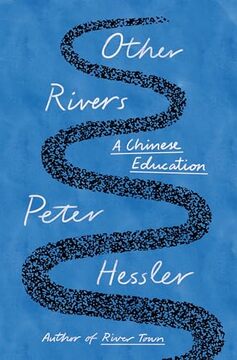
        <p>By Peter Hessler, published in 2024</p>
        <p><img src="https://www.binwang.me/static/book-covers/other-rivers-a-chinese-education.jpg" alt="Other Rivers: A Chinese Education" /></p>
        
        
        <p>This book is a little bit different to me compared to other books of Peter Hessler: for the other books, they talk about eras when I was too young to be familiar with. So there is a feeling of distance and more like things in the history. But I witnessed, or even was part of the era that is covered in this book: from Peter Hessler went back to China again, to the drama on the social media about a review he gave to a student, to the articles he wrote for New Yorkers during the Covid, to he left China again. There is a special feeling when read this book and look back the things happened during the past years.</p>

<p>Unlucky for a normal person, but lucky for a writter, Peter Hessler seems to be able to catch big events: when he first came to China as a reporter (after teaching in China for 2 years), he caught the US bombing of the Chinese embassy; When he moved the Egypt, he caught Arab Spring; When he moved back to China again, he caught the break of Covid. As the few foreign reporters that were still able to stay in China (because on paper, he worked in China as a teacher instead of a reporter), he provides a valuable perspective of the Covid in China. During his time in China, the Covid measurement was effective after the first period of mess, and most of the things talked in the book kept on a positive note.</p>

<p>However, this era is different than the eras in his previous books: the magic like economic development speed has come to an end. The government broke the power transfer convention and became more autocratic. Not only in China, with the election of Trump, the globalization seems to come to an end. With the close of the US embassy in Chengdu where Peter Hessler teaches, and with his visa expired, he decided to leave China. Lucky for a normal person, but unlucky for a writer, he didn’t witness the widely protest of Covid measurement a few months later, which is a rare scene in recent Chinese history. And unlucky for a Chinese, we lost a unique perspective to observe Chinese sociality. I’m really sad about that.</p>

        
      ]]>
    </content>
    <summary type="html">
      <![CDATA[By Peter Hessler, published in 2024. My Notes: &lt;p&gt;This book is a little bit different to me compared to other books of Peter Hessler: for the other books, they talk about eras when I was too young to be familiar with. So there is a feeling of distance and more like things in the history. But I witnessed,...]]>
    </summary>
  </entry>
  
  <entry>
    <title type="html">诡秘之主</title>
    <link href="https://www.binwang.me/books/%E8%AF%A1%E7%A7%98%E4%B9%8B%E4%B8%BB" rel="alternate" type="text/html" title="诡秘之主" />
    <published>2024-11-26T00:00:00-05:00</published>
    <updated>2024-11-26T00:00:00-05:00</updated>
    <id>https://www.binwang.me/books/%E8%AF%A1%E7%A7%98%E4%B9%8B%E4%B8%BB</id>
    <content type="html" xml:base="https://www.binwang.me/books/%E8%AF%A1%E7%A7%98%E4%B9%8B%E4%B8%BB">
      <![CDATA[
        <p>By Ai Qianshui de Wuzei, 爱潜水的乌贼, published in 2020</p>
        <p><img src="https://www.binwang.me/static/book-covers/诡秘之主.jpg" alt="诡秘之主" /></p>
        
        
      ]]>
    </content>
    <summary type="html">
      <![CDATA[By Ai Qianshui de Wuzei, 爱潜水的乌贼, published in 2020.]]>
    </summary>
  </entry>
  
  <entry>
    <title type="html">道诡异仙</title>
    <link href="https://www.binwang.me/books/%E9%81%93%E8%AF%A1%E5%BC%82%E4%BB%99" rel="alternate" type="text/html" title="道诡异仙" />
    <published>2024-11-10T00:00:00-05:00</published>
    <updated>2024-11-10T00:00:00-05:00</updated>
    <id>https://www.binwang.me/books/%E9%81%93%E8%AF%A1%E5%BC%82%E4%BB%99</id>
    <content type="html" xml:base="https://www.binwang.me/books/%E9%81%93%E8%AF%A1%E5%BC%82%E4%BB%99">
      <![CDATA[
        <p>By 狐尾的笔, published in 2025</p>
        <p><img src="https://www.binwang.me/static/book-covers/道诡异仙.jpg" alt="道诡异仙" /></p>
        
        
      ]]>
    </content>
    <summary type="html">
      <![CDATA[By 狐尾的笔, published in 2025.]]>
    </summary>
  </entry>
  
</feed>