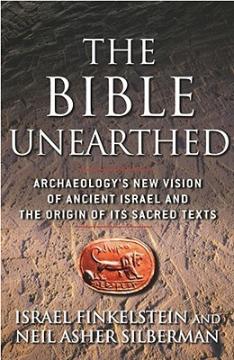
This is the second book on my ancient history reading list, after the ancient near east one. This book was not on the list at first, but when reading the book about Near East, I suddenly realized the historical events in the (Hebrew) Bible actually happened in the same time period, which never crossed my mind before. They seemed to have happened in a parallel or fictional universe to me. With this opportunity, I thought I should give it a deeper dig, especially considering it has such an important impact on the largest religions.
Before I picked up this book, I’ve browsed some National Geographic magazines about archaeology related to the Jesus era, and found it fascinating. But I didn’t really know the term “biblical archaeology”. This book’s introduction gives a pretty good overview of the field, including the difference between minimalists and maximalists. Its approach is more on the skeptical side, which is pretty aligned with my cultural background and personal beliefs.
The structure of the book is well written: it first repeats relevant parts in the Bible, and then talks about what the archaeology tells us. This is especially important to me, who has read little of the Bible.
So after reading the book, I not only have a high level sense of the events described in Hebrew Bible, but also know some of its historical background. It amazed me more after it, that the text created over 2500 years ago, can have such a big impact on history, and continues to have its impact nowadays.